Did you know?
Many people already use AI every day without seeing the systems working behind the screen.
Artificial Intelligence is affecting everyone—from children and learners to parents, workers, business owners and older people. It is no longer a subject that belongs only to scientists, programmers or large technology companies. AI is already present in many of the tools and services we use every day.
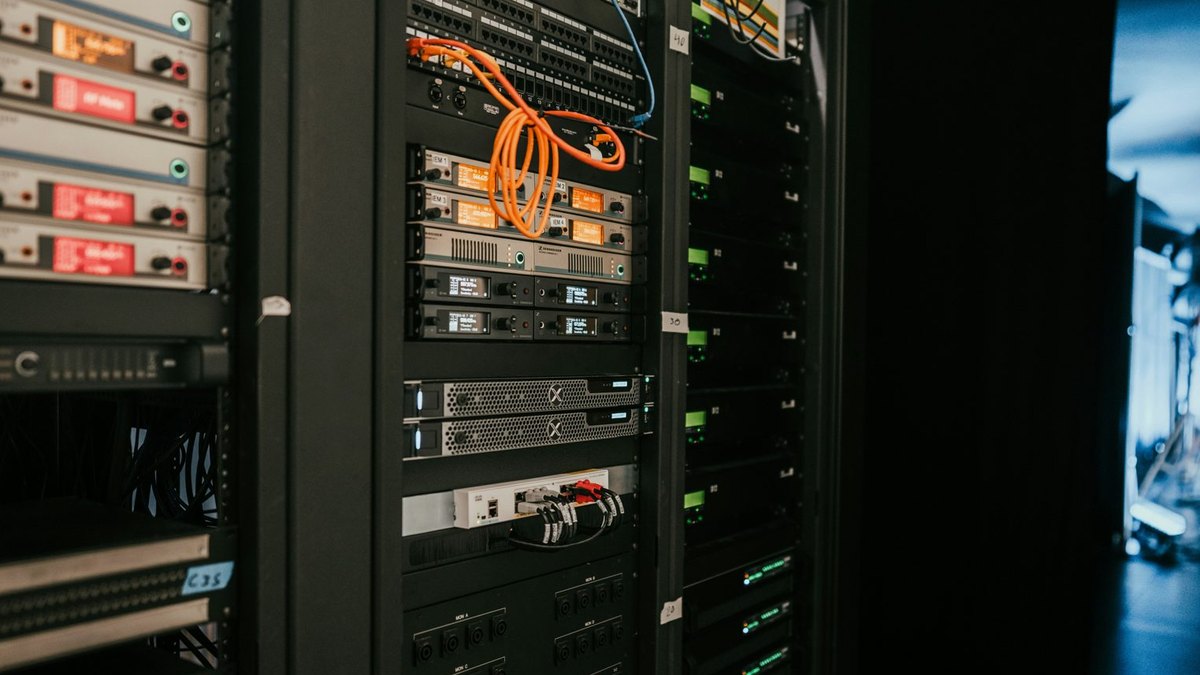
AI Is Already Part of Everyday Life
When your phone recognises your face, recommends a video, corrects a word, improves a photograph or suggests the fastest route, AI may be involved. Banks use intelligent systems to detect suspicious transactions. Online shops recommend products. Streaming services suggest movies and music. Schools, hospitals, businesses and government services are also beginning to use AI in different ways.
AI is therefore not only something that may affect us in the future. It is part of what is happening in our lives right now.
AI Affects Every Age Group
Children may meet AI through educational applications, games, video recommendations and voice assistants. Learners may use it to ask questions, understand school subjects, practise languages or prepare study material.
Adults may use AI to write emails, organise information, analyse data, assist customers, manage businesses or complete repetitive work more quickly. Older people may use AI without realising it when they use smartphones, banking applications, medical systems, navigation tools or online customer services.
This is why AI is becoming more than a technology topic. It is becoming a life topic. Everyone does not need to become a programmer, but everyone should understand the basic ideas.
AI Is Connected to Software
AI does not exist separately from software. Software is the collection of instructions that tells a computer, phone, website or digital system what to do. Banking applications, websites, booking systems, mobile games and hospital systems are all built using software.
Traditional software normally follows rules written by people. For example, a developer may write a rule that says: if the password is correct, allow the user to log in. The computer follows that instruction.
AI is also built through software, but some AI systems are designed to examine large amounts of information, identify patterns and use those patterns to make predictions or generate responses. AI is built, trained, controlled and delivered through software. Without software, there would be no AI system for people to use.
A Simple Example
Think about a normal calculator. When you enter 2 + 2, it follows a clear instruction and returns 4. It does not need to study thousands of examples first.
Now imagine a system that examines thousands of photographs of cats and dogs. By finding patterns in those photographs, it can learn to estimate whether a new photograph contains a cat or a dog. The system is still software, but it has been designed to recognise patterns from information.
This simple comparison helps us understand that AI is not magic. It is technology created by people using software, data, computers and mathematical methods.
AI Can Help, but AI Can Also Be Wrong
AI can save time, explain difficult ideas, help people write, organise information, translate languages and support decision-making. It can assist teachers, doctors, engineers, software developers, business owners and many other professionals.
However, AI is not perfect. It can misunderstand a question, provide outdated information, produce an answer that sounds confident but is incorrect, or repeat unfair patterns found in the information used to train it.
Human judgement remains important. Important information should be checked, especially when it relates to health, money, law, safety, education or major personal decisions.
Children Need Guidance, Not Only Access
Children are growing up in a world where AI will feel normal. Preventing them from learning about AI will not prepare them for that world. But simply giving them access without guidance is also not enough.
Learners should understand what AI can and cannot do, why it can make mistakes, why private information must be protected and why copying an AI-generated answer is not the same as understanding a subject.
AI should help a learner think. It should not replace the learner's thinking. A learner can ask for a simpler explanation, compare it with school material, ask further questions and then explain the answer in their own words.
Parents and Older People Must Not Be Left Behind
Parents need enough understanding to guide children safely. They should discuss privacy, honest schoolwork, false information, scams and the responsible use of AI.
Older people must also be included in AI education. AI may already affect banking security, medical services, insurance, social media and government systems. Criminals can also use AI-generated voices, pictures or messages to make scams appear more believable.
No person should feel embarrassed to ask what AI means or how a digital system works. Clear understanding helps people protect themselves.
AI Is Changing Work
AI is changing how many jobs are performed. It can complete repetitive tasks, organise information, create first drafts, analyse data and assist customers. Some jobs may change, some tasks may disappear and new kinds of work may be created.
The useful question is not only, “Will AI take jobs?” We should also ask: How will AI change my work? What skills should I learn? Which parts of my work require human judgement, care, experience and responsibility?
People who understand AI may be better prepared to adapt and use it as a tool instead of feeling controlled by it.
Human Skills Still Matter
AI can process information quickly, but people provide empathy, responsibility, moral judgement, lived experience, cultural understanding and genuine relationships.
An AI system may recommend an action, but a person may still need to decide whether that action is fair, safe and suitable. The growth of AI does not make human skills unimportant. In many situations, it makes them even more important.
We Must Learn to Question What We See
AI can create realistic pictures, voices, music and videos. This makes it harder to know whether everything we see online is genuine.
Before believing or sharing surprising content, ask where it came from, whether the source is trustworthy, whether another reliable source confirms it, and whether somebody is trying to create fear, urgency or pressure.
Understanding AI is now part of protecting ourselves from misinformation, fraud and manipulation.
Understanding Gives People More Control
When people do not understand technology, they may fear it completely or trust it completely. Both reactions can be dangerous.
Understanding creates balance. It helps people recognise useful opportunities, question incorrect answers, protect personal information and prepare for changes in school, work and society.
You do not need to become a programmer. You can begin by learning what AI means, how it connects to software, what data is, how patterns are used, why mistakes happen and how AI can be used responsibly.
Why ExplainItSimply Is Beginning With AI
ExplainItSimply was created to make difficult subjects easier to understand. AI is one of the most important places to begin because it is developing quickly and affecting many parts of life.
People should not be excluded from understanding AI because they do not work in technology or because technical language makes the subject feel difficult. We will explain AI using ordinary language, familiar examples and situations people recognise.
This introductory blog begins that journey. Future guides will explain what AI is, how it learns, how it connects to software, what algorithms and data are, why AI makes mistakes, how chatbots work and how people can use AI safely.
The Most Important Step Is to Start Understanding
AI is already here. It affects children, adults and older people. It is influencing education, employment, communication, business, entertainment, banking and healthcare.
We do not need to understand everything at once. We can begin with the basics, recognise where AI already appears, learn how to check its answers and use it as a tool without allowing it to think on our behalf.
AI is not only a subject for technology experts. It is a subject for everyone. The more we understand it, the better prepared we will be to use it wisely and make informed decisions about the technology shaping our lives.
Remember this
AI is built through software. It can be useful and powerful, but people still need understanding, judgement and responsibility.
FAQ
Questions About This Introduction
Why does everyone need to understand AI?
Because AI already affects everyday services, education, work, communication, banking and online information. In technology topics, connect the idea to something you already use — a website, an app, a payment or a search result. If you can point to where the idea appears in real life, the definition becomes much easier to remember and apply.
Do I need to know programming to understand AI?
No. You can understand the main ideas, uses, risks and connection to software without becoming a programmer. In technology topics, connect the idea to something you already use — a website, an app, a payment or a search result. If you can point to where the idea appears in real life, the definition becomes much easier to remember and apply.
Is AI the same as software?
AI is built and delivered through software, but it describes systems designed to recognise patterns, make predictions or generate outputs. In technology topics, connect the idea to something you already use — a website, an app, a payment or a search result. If you can point to where the idea appears in real life, the definition becomes much easier to remember and apply.
Can AI answers be wrong?
Yes. AI can misunderstand questions, use incomplete information or generate confident but incorrect answers. In technology topics, connect the idea to something you already use — a website, an app, a payment or a search result. If you can point to where the idea appears in real life, the definition becomes much easier to remember and apply.
How should children use AI?
They should use it with guidance, protect private information, check important answers and use it to support rather than replace learning. In technology topics, connect the idea to something you already use — a website, an app, a payment or a search result. If you can point to where the idea appears in real life, the definition becomes much easier to remember and apply.
Quick recap
You Have Started the Journey
You now understand why AI concerns everyone, why it is connected to software and why learning the basics gives people more control.
Next step
Continue Learning
Start with the simple AI overview, then learn how AI works and how software makes these systems possible.