 Start here
On This Page You Will Learn
This guide is written for beginners. It starts with the simple idea, then builds toward real-life examples so the topic becomes easier to remember and easier to use.
- How this money topic affects everyday choices at home, work and school
- The basic words people use in banking, credit, tax, saving and investing
- Simple examples that show what good and risky decisions look like
- How to ask better questions before signing, borrowing or spending
ExplainItSimply learning path
How do you balance spending today with saving for tomorrow?
The goal is not to stop spending completely. It is to make deliberate choices so that today's spending does not quietly remove tomorrow's options.
?Why money disappears so quickly
Money topics can feel stressful because people often meet them only when they need to make an important decision.
!Give every rand a purpose
Break the idea into simple steps and connect it to normal choices like buying, saving, borrowing, budgeting or planning ahead.
*Why balance matters
When you understand Saving vs Spending, you can make calmer and more confident financial decisions.
Real-life example: Planning before shopping
Think of money decisions like going shopping with a list. If you know what you need, what you can spend and what should wait, you are less likely to make choices you regret later.
How the idea builds up
- Start with the money problem.
- Identify the choice you need to make.
- Understand the cost, risk or benefit.
- Compare your options in simple language.
- Choose the option that protects your future self.
Remember this: A topic becomes easier when it is explained in order and connected to something familiar.
In Simple Terms
Money fact
A budget is not punishment. It is a simple plan that tells your money where to go before it disappears.
Saving and spending are not enemies. A healthy money plan gives you room for present needs, future goals and the occasional enjoyment that makes the plan sustainable.
Saving and spending are not enemies. The problem isn’t spending money — it’s spending without intention or saving without a plan.
 Go deeper
How to understand Saving vs Spending clearly
Before you spend
Credit can help or hurt depending on how it is used, repaid, and understood.
Saving vs Spending matters because daily life becomes easier when money, choices, planning, and risk make sense. This page explains the topic with simple examples so you can use the knowledge in real situations.
A helpful way to learn this topic is to connect it to something familiar. Instead of memorising terms first, start by asking: what is moving, what is changing, what is causing it, and why does it matter in real life? That simple question turns a difficult subject into a story you can follow.
On ExplainItSimply, the goal is not to make you sound technical. The goal is to help you understand the idea well enough to explain it to someone else. When you can explain saving vs spending using your own words and a normal example, the topic has started to make sense.
What you will learn on this page
- You will understand saving vs spending using everyday examples.
- You will learn the words and ideas that often make money or life planning feel confusing.
- You will see how small habits can protect you from bigger problems later.
- You will learn how to ask better questions before making decisions.
- You will finish with practical knowledge you can apply in daily life.
The ExplainItSimply promise for this topic
No jargon for the sake of sounding clever. No confusing shortcuts. This page explains saving vs spending with plain language, real examples, and clear connections so you can use the idea, remember it, and continue learning with confidence.
Why this page matters
This page matters because learning can become stressful when explanations are unclear. Understanding Saving vs Spending gives students, parents and lifelong learners a better way to approach school work, study habits and modern education tools. The aim is to reduce pressure by making the idea easier to follow.
What you will learn about Saving vs Spending
You will learn what Saving vs Spending means, why it affects learning, and how it can be used in a practical way. The page explains the concept with a calm, step-by-step approach so that readers can connect it to real study situations, classroom challenges and everyday learning decisions.
What Is Saving?
Saving tip
Before using credit, compare the full repayment amount with the value of what you are buying.
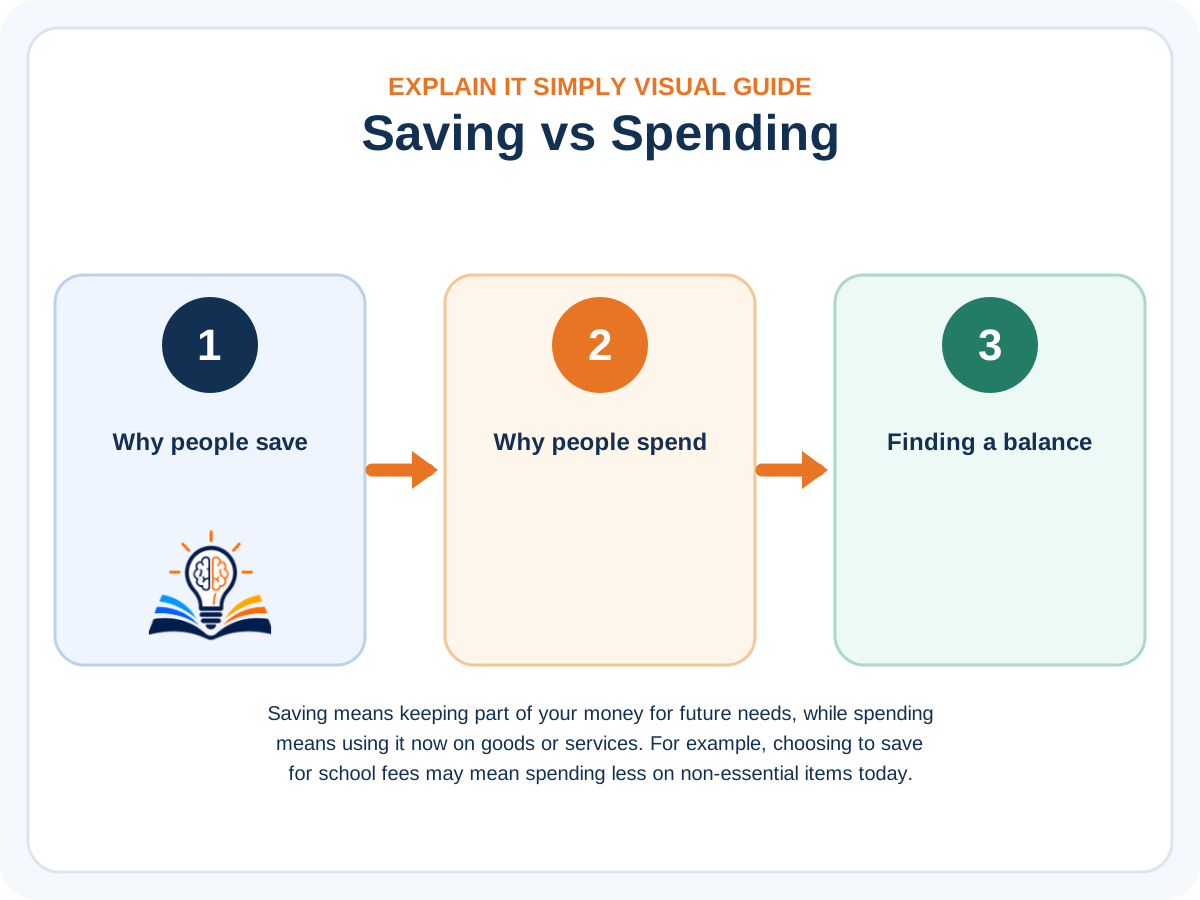
Saving means setting aside money today so that it can be used in the future.
This could be for emergencies, goals, investments, or peace of mind.
Saving is about delayed gratification — choosing future stability over immediate pleasure.
Common Reasons People Save
- Emergency expenses
- Buying a home or car
- Education or skills development
- Retirement and long-term security
- Financial independence
What Is Spending?
Budget reminder
Small financial habits repeated over time can matter more than one big decision.
Spending is using money to meet needs or wants right now.
This includes essentials like food and housing, as well as non-essentials like entertainment and luxury items.
Spending is unavoidable — the key question is whether it is intentional or impulsive.
Good Spending vs Bad Spending
Credit warning
A small monthly instalment can hide a large total cost when interest and fees are included.
Good Spending
Good spending adds long-term value to your life, health, skills, or happiness.
- Education and training
- Health and wellness
- Reliable transportation
- Quality tools that last longer
- Meaningful experiences and relationships
Example: Paying for a course that improves your career prospects is spending — but it can increase future income.
Bad Spending
Bad spending usually provides short-term pleasure but creates long-term problems.
- Impulse purchases
- Buying on credit without a repayment plan
- Lifestyle inflation (spending more as income rises)
- Frequent convenience spending with no budget
Example: Regularly buying expensive items on credit while struggling to pay essentials creates ongoing financial stress.
The Balance Between Saving and Spending
Real-life example
Saving a modest amount consistently builds both a financial cushion and a useful habit.
Extreme saving can lead to burnout and resentment.
Excessive spending can lead to debt and anxiety.
A healthy financial life balances enjoying the present while protecting the future.
Pay Yourself First
Small habit, big effect
Waiting before an unplanned purchase can help you separate a real need from a passing impulse.
One of the most effective money habits is saving first — before spending anything else.
Treat savings like a non-negotiable bill.
Automating savings removes emotion and temptation from the process.
Emergency Fund: Your Financial Safety Net
Think about this
Tracking small expenses often reveals more room in a budget than expected.
An emergency fund covers unexpected expenses without forcing you into debt.
This includes medical costs, car repairs, or sudden income loss.
A common recommendation is to save 3–6 months of essential expenses.
The 50/30/20 Guideline
50% for needs, 30% for wants, and 20% for savings and debt repayment.
This is a guideline — adjust it to fit your situation.
Why Saving Matters
Planning tip
A useful budget includes necessities, savings and some flexible spending, so it can survive real life.
- Reduces financial stress
- Prevents reliance on debt
- Creates future opportunities
- Builds confidence and control
- Provides freedom of choice
Why Mindful Spending Matters
Common money mistake
Reviewing your budget regularly is more effective than creating a perfect plan and never checking it again.
- Helps you enjoy money without guilt
- Aligns spending with personal values
- Prevents regret and waste
- Makes saving easier
A Simple Rule to Remember
Key takeaway
Progress matters more than perfection; improve one money habit at a time.
If spending today steals from your future peace, it’s probably not worth it.
If saving today steals all joy from your present, you need balance.
How Saving and Spending Work Together
Practical reminder
Credit is safest when the repayment comfortably fits into your existing budget.
How to understand this topic
The best way to understand this topic is to begin with the everyday problem it solves. Once the problem is clear, the details become easier to follow because each part has a purpose. This guide keeps that structure by explaining the idea first, then connecting it to practical examples.
Why simple explanations help
Simple explanations do not mean shallow explanations. They mean the topic is organised in a way that makes sense. When the language is clear and the examples are familiar, readers can understand the idea more deeply and remember it for longer.
A money plan you can maintain
For this learning guide, the promise is to keep the language friendly and useful. We do not talk down to learners and we do not hide behind academic wording. The goal is to make school and learning topics feel manageable, practical and encouraging.
A Simple Monthly Example
Imagine you are explaining Saving vs Spending to someone who has never heard the idea before. You would not begin with technical words. You would begin with a picture, a story, or a familiar comparison. That is how this page is written: it starts from the simplest useful idea and then builds slowly so the reader does not feel lost.
A useful explanation should answer the reader's first question, provide enough context to understand the full idea and then point naturally to the next topic. That creates a learning journey instead of a collection of disconnected facts.
Common Questions
Is this guide written for beginners?
Yes. This guide is written for readers who want to understand Saving vs Spending without needing expert knowledge first. It uses plain English and builds the explanation step by step.
What makes a budget realistic?
Longer paragraphs allow the idea to breathe. Instead of throwing disconnected bullet points at the reader, the page explains the thinking in full sentences so the topic feels more natural and complete.
What should I read next?
Use the related reading cards below or the menu at the top of the page. The best next page is usually one from the same category, because related topics strengthen each other.
Read More on ExplainItSimply
Learning is easier when related topics connect. These guides continue the journey and help visitors spend more time exploring useful pages on the site.
Read another helpful guide
Learning works best when ideas connect. Explore another ExplainItSimply page and keep building your knowledge.
Explore Life Basics
Continue learning in simple English
Now that you have started understanding Saving vs spending, keep going. The next page will help you connect this idea to another useful topic.
Overview
How Money Works
Read blogs
Where you will see this in real life
This topic is easier to remember when it connects to everyday life. Here are a few familiar situations where this idea becomes visible in everyday life.
Shopping
Budgeting helps you choose what matters before money disappears on small items.
Saving
Small regular savings can build confidence and options over time.
Buying a house
Credit, interest and affordability affect how banks make lending decisions.
Emergencies
An emergency fund protects you when unexpected costs arrive.
Frequently Asked Questions
Questions about Saving vs Spending
These questions answer the things beginners usually wonder about after reading this page. Open each question to see a simple, direct explanation.
Why should everyone learn money basics?
Money basics help people budget, avoid unnecessary debt, plan ahead and make calmer financial choices.
What is the first financial skill to learn?
Budgeting is a good first skill because it shows where money comes from and where it goes.
Is credit always bad?
No. Credit can help when used responsibly, but it can become dangerous when repayments are ignored or misunderstood.
Why does financial literacy matter?
It helps people make informed choices about saving, spending, debt, insurance, tax and investing.
Go deeper
More real-life examples and practical understanding
Money topics are easier to understand when they are connected to everyday decisions. Salary, debit orders, transport costs, groceries, school fees, loans, tax and savings all compete for attention. When you understand the basic idea behind a money decision, you are less likely to be surprised by fees, interest, penalties or long-term commitments.
Why this matters
When a topic connects to something familiar, it becomes easier to understand. ExplainItSimply uses everyday examples so readers do not have to memorise difficult words before they understand the idea.
Simple learning path
- Start with the basic meaning.
- Connect it to one real-life example.
- Break the process into small steps.
- Notice common mistakes or misunderstandings.
- Use the idea in a practical situation.
Quick recap
You Have Learned This
You have learned the main idea behind Saving vs Spending, why it matters and how it appears in real life. You have also seen that difficult topics become easier when they are explained step by step with practical examples.
Remember this
The goal is not to memorise big words. The goal is to understand the idea well enough to explain it to someone else in simple language.