 Start here
On This Page You Will Learn
This guide is written for beginners. It starts with the simple idea, then builds toward real-life examples so the topic becomes easier to remember and easier to use.
- How this money topic affects everyday choices at home, work and school
- The basic words people use in banking, credit, tax, saving and investing
- Simple examples that show what good and risky decisions look like
- How to ask better questions before signing, borrowing or spending
ExplainItSimply learning path
Why is tax deducted from salaries and added to everyday purchases?
This short guide prepares you for the main explanation. It shows the problem, the simple solution and the step-by-step path that makes the topic easier to understand.
?The problem
Money topics can feel stressful because people often meet them only when they need to make an important decision.
!The simple solution
Break the idea into simple steps and connect it to normal choices like buying, saving, borrowing, budgeting or planning ahead.
*Why it matters
When you understand Taxes Made Simple, you can make calmer and more confident financial decisions.
Real-life example: Planning before shopping
Think of money decisions like going shopping with a list. If you know what you need, what you can spend and what should wait, you are less likely to make choices you regret later.
How the idea builds up
- Start with the money problem.
- Identify the choice you need to make.
- Understand the cost, risk or benefit.
- Compare your options in simple language.
- Choose the option that protects your future self.
Remember this: A topic becomes easier when it is explained in order and connected to something familiar.
In Simple Terms
Did you know?
A budget is not punishment. It is a simple plan that tells your money where to go before it disappears.
ExplainItSimply makes complex topics easy to understand. Learn about artificial intelligence, education, careers, money, credit, budgeting, investing, and essential life skills through clear explanations, real-world examples, and practical guides designed for everyday people.
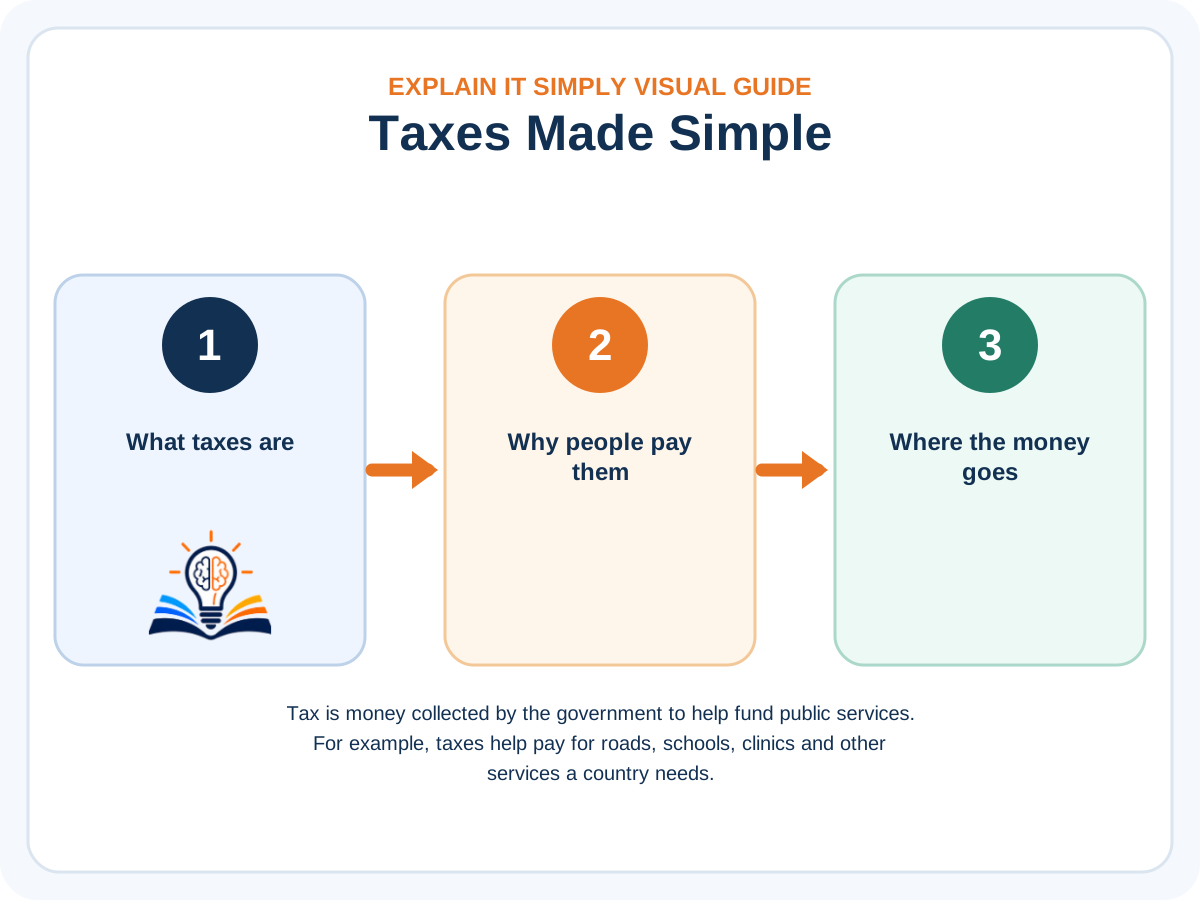
Most people find taxes confusing, but at its core, taxes are how governments fund public services. Knowing how they work allows you to maximize deductions, credits, and refunds.
Key Tax Concepts
Did you know?
A budget is not punishment. It is a simple plan that tells your money where to go before it disappears.
1. Income Tax
Tax on money you earn through salaries, wages, freelance work, or business income. Rates vary depending on your income and country.
2. Deductions
Expenses the government allows you to subtract from your taxable income. Common deductions include student loan interest, mortgage interest, and certain business expenses.
3. Tax Credits
Direct reductions from the total tax you owe. Credits are more valuable than deductions because they reduce your actual tax bill, not just your taxable income.
4. Filing Basics
You need to report your income to the tax authority annually. Filing involves completing forms that show your income, deductions, and credits. Filing accurately avoids penalties.
5. Withholding & Estimated Taxes
Employers withhold taxes from your paycheck, but self-employed individuals often need to pay estimated taxes quarterly. Planning ahead avoids surprises at tax time.
Tips to Keep Taxes Simple
- Keep all receipts, invoices, and financial records organized.
- Use reliable software or a professional for filing if needed.
- Understand your deductions and credits — don’t leave money on the table.
- File on time to avoid fines and interest.
- Plan your year to reduce your tax burden legally.
Taxes and Your Financial Plan
Did you know?
A budget is not punishment. It is a simple plan that tells your money where to go before it disappears.
Taxes are not just a yearly chore — they are a key part of your financial strategy. Understanding taxes helps you keep more of your income, make better investment decisions, and plan for retirement.
Conclusion
Did you know?
Credit can help or hurt depending on how it is used, repaid, and understood.
Taxes may seem complicated, but learning the basics empowers you to make smarter financial decisions, reduce stress, and protect your money.
 Go deeper
How to understand Taxes Made Simple clearly
Did you know?
A budget is not punishment. It is a simple plan that tells your money where to go before it disappears.
Taxes Made Simple matters because daily life becomes easier when money, choices, planning, and risk make sense. This page explains the topic with simple examples so you can use the knowledge in real situations.
A helpful way to learn this topic is to connect it to something familiar. Instead of memorising terms first, start by asking: what is moving, what is changing, what is causing it, and why does it matter in real life? That simple question turns a difficult subject into a story you can follow.
On ExplainItSimply, the goal is not to make you sound technical. The goal is to help you understand the idea well enough to explain it to someone else. When you can explain taxes made simple using your own words and a normal example, the topic has started to make sense.
What you will learn on this page
- You will understand taxes made simple using everyday examples.
- You will learn the words and ideas that often make money or life planning feel confusing.
- You will see how small habits can protect you from bigger problems later.
- You will learn how to ask better questions before making decisions.
- You will finish with practical knowledge you can apply in daily life.
The ExplainItSimply promise for this topic
No jargon for the sake of sounding clever. No confusing shortcuts. This page explains taxes made simple with plain language, real examples, and clear connections so you can use the idea, remember it, and continue learning with confidence.
Why this page matters
This page matters because learning can become stressful when explanations are unclear. Understanding Taxes Made Simple gives students, parents and lifelong learners a better way to approach school work, study habits and modern education tools. The aim is to reduce pressure by making the idea easier to follow.
What you will learn about Taxes Made Simple
You will learn what Taxes Made Simple means, why it affects learning, and how it can be used in a practical way. The page explains the concept with a calm, step-by-step approach so that readers can connect it to real study situations, classroom challenges and everyday learning decisions.
Deeper Explanation
Did you know?
A budget is not punishment. It is a simple plan that tells your money where to go before it disappears.
How to understand this topic
The best way to understand this topic is to begin with the everyday problem it solves. Once the problem is clear, the details become easier to follow because each part has a purpose. This guide keeps that structure by explaining the idea first, then connecting it to practical examples.
Why simple explanations help
Simple explanations do not mean shallow explanations. They mean the topic is organised in a way that makes sense. When the language is clear and the examples are familiar, readers can understand the idea more deeply and remember it for longer.
Simple learning promise
For this learning guide, the promise is to keep the language friendly and useful. We do not talk down to learners and we do not hide behind academic wording. The goal is to make school and learning topics feel manageable, practical and encouraging.
A Practical Example
Did you know?
Credit can help or hurt depending on how it is used, repaid, and understood.
Imagine you are explaining Taxes Made Simple to someone who has never heard the idea before. You would not begin with technical words. You would begin with a picture, a story, or a familiar comparison. That is how this page is written: it starts from the simplest useful idea and then builds slowly so the reader does not feel lost.
A useful explanation should answer the reader's first question, provide enough context to understand the full idea and then point naturally to the next topic. That creates a learning journey instead of a collection of disconnected facts.
Common Questions
Did you know?
A budget is not punishment. It is a simple plan that tells your money where to go before it disappears.
Is this guide written for beginners?
Yes. This guide is written for readers who want to understand Taxes Made Simple without needing expert knowledge first. It uses plain English and builds the explanation step by step.
Why does the page use longer paragraphs?
Longer paragraphs allow the idea to breathe. Instead of throwing disconnected bullet points at the reader, the page explains the thinking in full sentences so the topic feels more natural and complete.
What should I read next?
Use the related reading cards below or the menu at the top of the page. The best next page is usually one from the same category, because related topics strengthen each other.
Read More on ExplainItSimply
Did you know?
A budget is not punishment. It is a simple plan that tells your money where to go before it disappears.
Learning is easier when related topics connect. These guides continue the journey and help visitors spend more time exploring useful pages on the site.
Turn curiosity into clarity
Did you know?
Credit can help or hurt depending on how it is used, repaid, and understood.
One clear explanation can make a difficult topic feel easier. Keep going and discover the next simple guide.
Continue Learning
Continue learning in simple English
Now that you have started understanding Taxes made simple, keep going. The next page will help you connect this idea to another useful topic.
Overview
How Money Works
Read blogs
Where you will see this in real life
This topic is easier to remember when it connects to everyday life. Here are a few familiar situations where this idea becomes visible in everyday life.
Shopping
Budgeting helps you choose what matters before money disappears on small items.
Saving
Small regular savings can build confidence and options over time.
Buying a house
Credit, interest and affordability affect how banks make lending decisions.
Emergencies
An emergency fund protects you when unexpected costs arrive.
Frequently Asked Questions
Questions about Taxes Made Simple
These questions answer the things beginners usually wonder about after reading this page. Open each question to see a simple, direct explanation.
Why should everyone learn money basics?
Money basics help people budget, avoid unnecessary debt, plan ahead and make calmer financial choices.
What is the first financial skill to learn?
Budgeting is a good first skill because it shows where money comes from and where it goes.
Is credit always bad?
No. Credit can help when used responsibly, but it can become dangerous when repayments are ignored or misunderstood.
Why does financial literacy matter?
It helps people make informed choices about saving, spending, debt, insurance, tax and investing.
Go deeper
More real-life examples and practical understanding
Taxes pay for public services such as roads, schools, clinics, safety services and government operations. People meet tax in different ways: tax deducted from income, VAT added to many purchases and other taxes linked to property, fuel or business activity. Understanding taxes helps you read payslips, prices and financial decisions more clearly.
Why this matters
When a topic connects to something familiar, it becomes easier to understand. ExplainItSimply uses everyday examples so readers do not have to memorise difficult words before they understand the idea.
Simple learning path
- Start with the basic meaning.
- Connect it to one real-life example.
- Break the process into small steps.
- Notice common mistakes or misunderstandings.
- Use the idea in a practical situation.
Quick recap
You Have Learned This
You have learned the main idea behind Taxes Made Simple, why it matters and how it appears in real life. You have also seen that difficult topics become easier when they are explained step by step with practical examples.
Remember this
The goal is not to memorise big words. The goal is to understand the idea well enough to explain it to someone else in simple language.